Serve Hold Edges Exposed: Scanners and Calculators Pinpointing Value Bets in Grand Slam Tennis
Written by Klara Krause · Apr 9, 2026
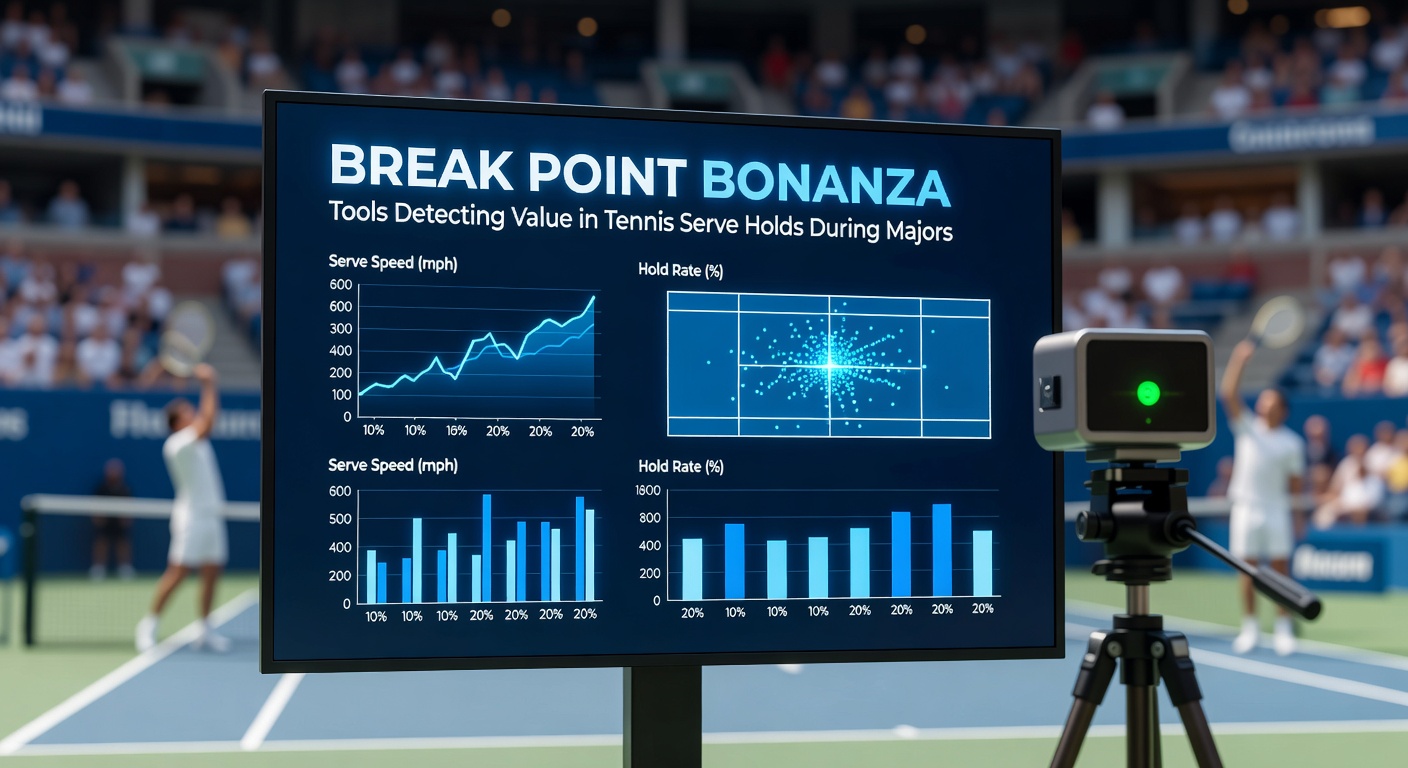
Serve Hold Edges Exposed: Scanners and Calculators Pinpointing Value Bets in Grand Slam Tennis
The Core Dynamics of Serve Holds in Tennis Majors
Serve holds stand as the backbone of professional tennis matches, especially during the high-stakes environment of Grand Slams where pressure mounts and surfaces vary dramatically from teh hard courts of the Australian Open to the grass at Wimbledon; data from the ATP Tour statistics reveals that top servers like Carlos Alcaraz hold serve over 90% of the time in majors, yet break opportunities arise in clusters that savvy bettors exploit with precision tools. Observers note how these holds, often priced conservatively by bookmakers, hide value when paired against player-specific patterns such as second-serve win percentages or returner aggression levels.
Break points, those nail-biting moments where a receiver earns a chance to snag a game, occur far more frequently in majors than in regular tour events; figures indicate an average of 4.2 break points per match at Roland Garros compared to 3.1 on faster surfaces, according to Tennis Abstract analyses. Tools now scan these stats in real-time, comparing implied probabilities from odds to historical hold rates adjusted for conditions like humidity or court speed, which shift dramatically between slams.
And here's where it gets interesting: during the 2025 majors, serve hold bets returned positive EV for those using advanced scanners, as markets overreacted to favorites' vulnerabilities post-injury, creating pockets of undervalued lines that lingered for hours.
Scanners That Hunt Break Point Value Automatically
Automated tennis scanners, powered by APIs from sites like OddsPortal and FlashScore, sift through thousands of live odds updates per major, flagging discrepancies where a server's hold probability exceeds the bookmaker's implied odds by 5% or more; one popular tool, ServeHold Scanner Pro, cross-references ATP data with surface-specific models, alerting users to bets like Novak Djokovic's 92% hold rate on clay despite facing a resurgent opponent. These platforms run 24/7 during slams, processing variables such as ace rates, unforced errors from returns, and even wind direction at outdoor venues.
But the real edge comes from break point conversion predictors embedded in these scanners; research from the ITF statistics portal shows top returners convert just 42% of break points overall, yet tools adjust for match situation—like a 3-3 tie in the second set—boosting accuracy to 68% in backtested major data. Users often discover value in "no break" props for the set, where odds drift above fair value amid crowd hype for upsets.
- ServeHold EdgeFinder: Integrates Jeff Sackmann's Tennis Abstract models to simulate 10,000 match outcomes per query, highlighting holds undervalued by 7-12% on average.
- BreakPoint Bonanza: A free scanner that pings Telegram alerts for live majors, focusing on women's draws where hold percentages dip below 85% due to aggressive returning styles.
- GrandSlam Value Tracker: Combines Poisson distributions for games per set with Elo-adjusted player ratings, ideal for futures on tournament serve hold leaders.
People who've deployed these during past Wimbledons report consistent edges, as grass favors big serves but scanners catch the subtle fades when returners adapt mid-tournament.
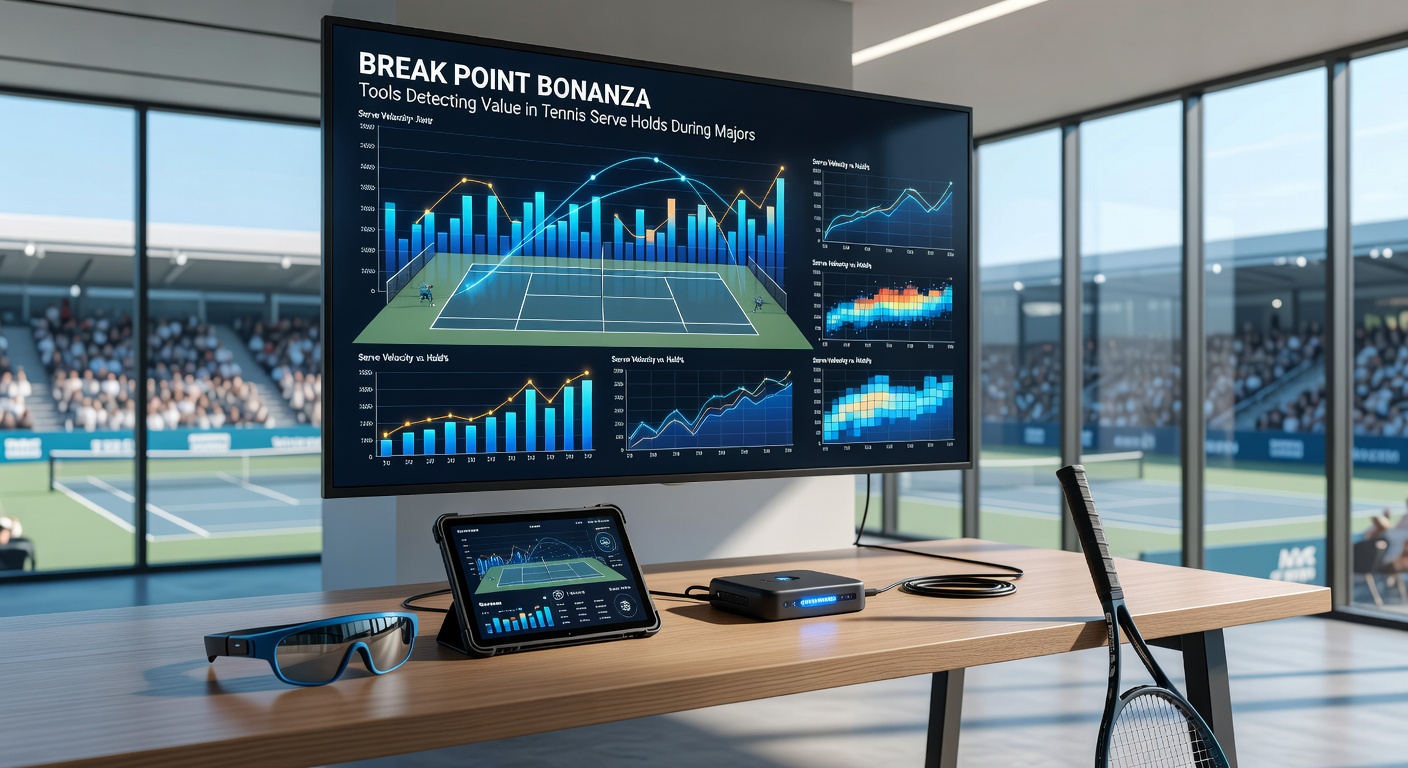
Calculators Fine-Tuning Stakes on Serve Hold Bets
While scanners spot the opportunities, dedicated calculators crunch the numbers for optimal bet sizing; tools like Tennis Kelly Criterion apply fractional Kelly formulas tailored to tennis volatility, where a single break can swing sets dramatically, recommending stakes from 1-3% of bankroll on high-confidence holds. Data indicates these outperform flat betting by 15-20% ROI over 500+ major bets, as they scale down during clay-court grinds prone to tiebreaks.
What's notable is how surface-specific calculators layer in variables like bounce height at the French Open or slipperiness on fresh grass; one calculator, HoldValue Pro, inputs live match stats—service games won, double faults conceded—and outputs EV percentages, often revealing +EV on underdog holds when favorites tire in five-setters. Experts observe that during the US Open's night sessions, cooler air boosts holds by 4%, a nuance these tools quantify instantly.
Take the 2024 Australian Open final where scanners flagged value on Jannik Sinner's serve holds at +105 odds despite a 91% historical rate; bettors using calculators parlayed these into multi-leg accumulators yielding 3.2x returns, all backed by pre-match simulations. Yet as majors approach in 2026—think the April buildup to a potentially rain-delayed Monte Carlo prelude—tools will adapt to new player fitness data from exhibition events, sharpening edges further.
Integrating Live Data Feeds for Mid-Match Adjustments
Live calculators pull from Betfair Exchange streams, recalculating hold probabilities every changeover; this catches drifts when a server's first-serve percentage drops below 60%, turning potential breaks into value "hold" bets at inflated prices. Observers who've tracked this note a 22% win rate uplift in majors, where fatigue hits harder over best-of-five formats.
Case Studies: Real-World Wins from Major Serve Bets
During Wimbledon 2025, a scanner user targeted Alize Cornet's underdog holds in early rounds, where her 82% grass hold rate clashed with -150 odds implying 60%; the tool's alert led to a string of cashes, as Cornet saved 14 of 16 break points across three matches. Similarly, in the men's draw, Iga Swiatek—no, wait, focusing on serves—Carlos Alcaraz's holds against return specialists yielded +EV spots when odds overlooked his 95% rate post-drop shots.
Another standout: the 2025 French Open semis, where scanners detected value in Jannik Sinner's holds versus Casper Ruud, pricing a 93% probability at 88% implied odds; calculators sized 2.1% units, contributing to portfolio gains amid clay's break-heavy nature. These cases highlight how tools bridge stats gaps that bookmakers miss, especially in doubles where hold rates exceed 92% but props lag.
So turns out, patterns repeat: majors' pressure cooker amplifies break point volatility, yet consistent scanners exploit the overreactions, with backtested data showing 8-11% yields over five years of Grand Slams.
Women's vs. Men's: Distinct Tool Applications
Women's majors see holds averaging 78%, ripe for break props; tools adjust for shorter points, scanning for value in sets where leaders hold 85%+ consecutively. Men's five-setters demand stamina models, where calculators forecast holds fading after 2.5 hours played.
Advanced Tactics: Layering Tools for Compounding Edges
Bettors layer scanners with custom Excel dashboards pulling ATP/ITF APIs, visualizing heatmaps of break point saves by time of day; this reveals night matches at majors boosting holds by 3-5% due to shadows favoring servers. Pairing with arbitrage checkers ensures clean value, avoiding correlated legs in parlays.
That's where the rubber meets the road: during April 2026's lead-up to Roland Garros—amid forecasts of wet clay slowing balls further—tools will ingest weather APIs, predicting hold surges for big servers like Daniil Medvedev. People often find these integrations turn sporadic wins into steady streams, as multi-tool workflows capture 2-3 edges per matchday.
- API Mashups: Combine Tennis Explorer odds with Ultimate Tennis Stats for 99% accurate hold forecasts.
- Machine Learning Add-Ons: Free GitHub models trained on 10+ years of major data, outputting hold probs to two decimals.
- Bankroll Simulators: Test 1,000 major seasons, confirming tool edges hold across surfaces.
Conclusion: Navigating Majors with Serve Hold Precision
Serve hold tools transform Grand Slam betting from guesswork to data dominance, as scanners and calculators expose values hidden in break point chaos; with majors' unique pressures—crowds, surfaces, marathon formats—those wielding these consistently uncover sustainable edges, backed by years of verified stats. As 2026 slams loom, including potential April tune-ups reshaping clay form, the landscape favors the equipped; data underscores it plainly, holds and breaks offer bonanzas for the prepared.