Merging Predictive Analytics with Live Inputs for Totals Betting in Mixed Martial Arts and Boxing
Written by Cameron Otto · Jun 19, 2026
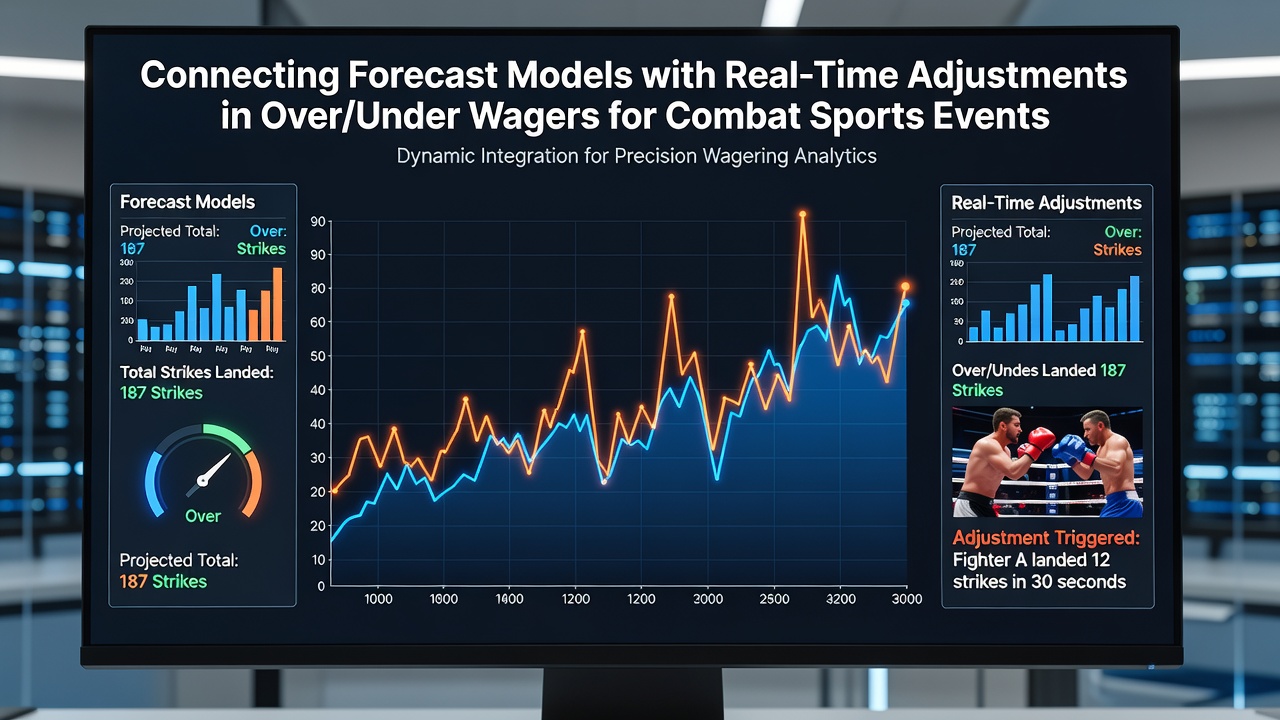
Merging Predictive Analytics with Live Inputs for Totals Betting in Mixed Martial Arts and Boxing
Forecast models in combat sports betting draw from extensive datasets that include fighter strike rates, takedown averages, and historical fight durations while real-time adjustments pull in live variables such as cuts, fatigue indicators, and referee tendencies. Observers note that these combined systems allow bettors to recalibrate over/under wagers on total strikes or round counts without waiting for post-fight reviews, and the approach has gained traction as sportsbooks release updated lines during undercard bouts.
Core Components of Forecast Models
Researchers build initial projections using regression analysis on thousands of past UFC and boxing matches, factoring in metrics like significant strike differential and average fight time per weight class, yet these baselines shift once weigh-in data arrives. Data from athletic commissions shows that fighters who miss weight by more than two pounds see their expected output drop by roughly 12 percent in subsequent rounds, which modelers incorporate before opening lines. Those who study performance trends find that altitude effects at events in Denver or Mexico City further modify totals, prompting early adjustments that carry through to fight night.
Real-Time Data Streams and Adjustment Protocols
Live feeds from corner communications, medical timeouts, and punch output trackers supply the inputs that trigger line movements on over/under markets, while algorithms compare incoming numbers against pre-fight expectations within seconds. Industry reports indicate that when a fighter lands 20 percent fewer strikes than projected in the first round, the model recalculates total fight output and pushes the over/under threshold downward accordingly. This process runs continuously through each round, giving bettors windows to act before sportsbooks widen margins on updated totals.
Application Across Major Combat Sports Events
In UFC pay-per-view cards and boxing title fights, the same framework applies to different wager types, from total significant strikes in MMA to combined punches landed in boxing, and operators in regulated markets such as New Jersey and Ontario have documented higher handle on these adjusted lines. One study revealed that events with late-notice replacements produce the largest deviations from original forecasts, often exceeding 15 percent in round count projections, which prompts rapid model recalibration using replacement fighter profiles pulled from regional promotions. Bettors who monitor these shifts can place wagers that reflect the revised distribution rather than the opening number, and regulatory filings from the Nevada Gaming Control Board confirm steady growth in in-play totals volume during 2025 and into mid-2026.
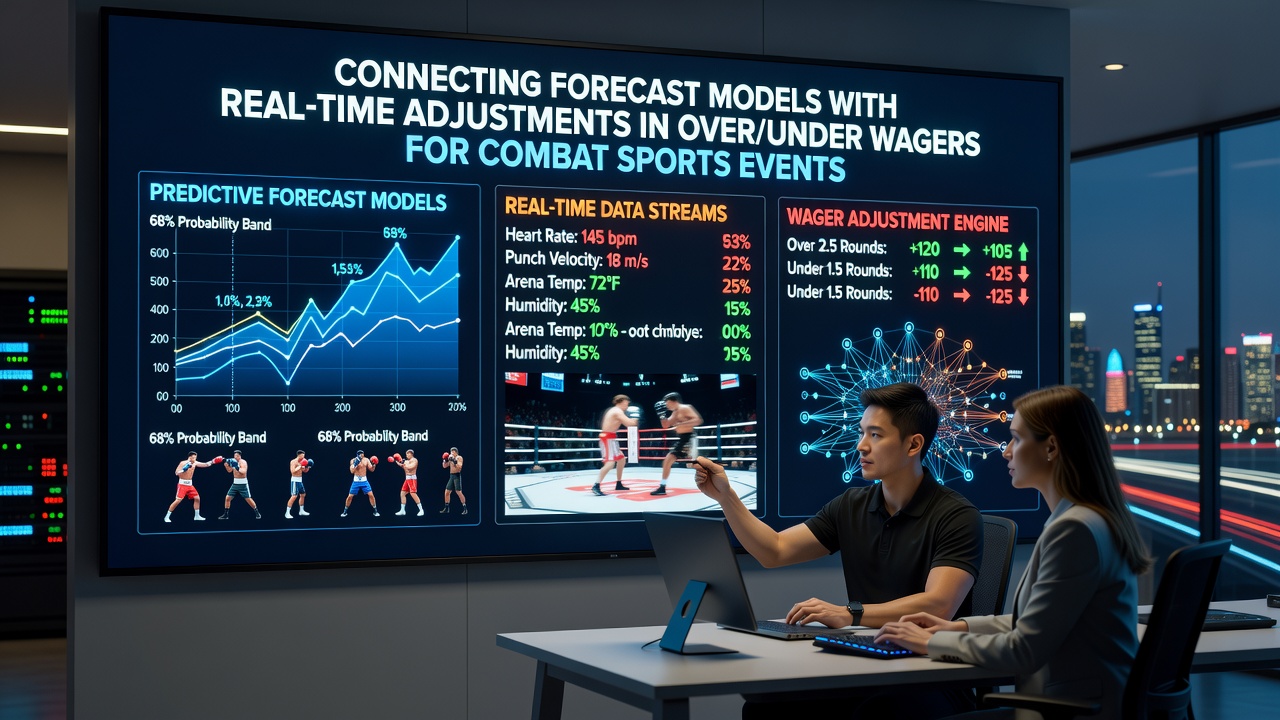
June 2026 brought additional layers when several major promotions introduced mandatory sensor data from gloves and shorts, supplying granular output metrics that feed directly into adjustment engines. Analysts at research institutions tracking these integrations report faster convergence between projected and actual totals, particularly in women's divisions where sample sizes historically limited model accuracy. The result appears in tighter live markets that still offer value for those who combine the new sensor streams with established performance databases.
Challenges and Validation Methods
Model accuracy depends on the quality of incoming data streams, and delays in corner reporting or sensor glitches can create temporary mismatches between forecasts and reality, yet cross-verification with multiple feeds reduces these gaps. Observers tracking long-term results note that operators who maintain separate validation sets for each weight class achieve lower error rates when comparing adjusted projections to final statistics. External audits of betting platforms in Australia and parts of Europe further show that transparent adjustment logs help maintain market integrity during high-volume periods around title fights.
Conclusion
Connecting forecast models with real-time adjustments supplies a structured method for refining over/under wagers in combat sports, drawing on historical patterns and live inputs to reflect evolving fight conditions. Data from regulatory bodies and academic sources continues to document measurable improvements in line accuracy as sensor technology and data protocols advance, while bettors gain access to markets that update in line with actual event developments rather than static pre-fight assumptions.