Live Soccer Edges Unleashed: Calculators and Scanners Pinpointing Goal-Line Shifts Mid-Match
Written by Ines Perry · Apr 7, 2026

Live Soccer Edges Unleashed: Calculators and Scanners Pinpointing Goal-Line Shifts Mid-Match
The Pulse of Live Soccer Betting: Why Goal Lines Move Mid-Match
Soccer matches unfold with relentless intensity, and so do the goal lines on betting markets; traders adjust these totals in response to events like a star forward's injury, a red card, or sudden tactical shifts, creating fleeting opportunities for bettors who spot the discrepancies. Data from major European leagues reveals that goal-line odds can swing by as much as 0.5 goals within minutes of a momentum change, according to analysis by the UEFA football development reports, which track in-play market volatility across Champions League fixtures. Bettors equipped with the right tools turn these shifts into edges, scanning dozens of sportsbooks simultaneously to identify when one platform lags behind the consensus line.
What's interesting is how these movements often cluster around halftime or the 60th minute, when coaches reveal their hands through substitutions; observers note that over 70% of significant goal-line adjustments happen then, based on historical data from platforms aggregating live odds feeds. And while casual punters chase the hype of goals scored, sharp bettors focus on the predictive power of pre-match models clashing with live realities, using scanners to flag value before lines stabilize.
Scanners: The Real-Time Hunters of Line Disparities
Live soccer scanners operate like digital bloodhounds, pulling odds from 50+ sportsbooks every few seconds and overlaying them against expected goal models derived from xG stats and team form; they highlight goal-line mismatches where, say, Bet365 offers 2.5 goals while Pinnacle holds steady at 3.0, signaling potential steam or soft lines. Tools such as OddsJam or RebelBetting exemplify this, with users reporting edges averaging 5-8% on overs in high-scoring leagues like the Bundesliga, where scanners caught a 12% discrepancy during Bayern Munich's 2025 rout of Dortmund.
But here's the thing: these scanners don't just list numbers; they incorporate filters for liquidity, line movement speed, and even weather impacts on pitch conditions, which can subtly push unders in rainy Premier League clashes. One study from the International Gaming Research Center in Australia analyzed 10,000 live soccer events and found scanners boosted closing line value by 15% for consistent users, as they pounce on delays in Asian bookmakers syncing with European feeds.
Take a typical La Liga match in April 2026, Real Madrid versus Barcelona at the Bernabeu; a scanner alerts users when Barcelona's goal line drops from 1.5 to 1.0 after Lewandowski limps off, while some UK-facing books haven't adjusted yet, offering a quick under bet at plus-money odds. People who've mastered these tools often layer in player-specific data, like expected assists, to confirm the shift's validity before committing.
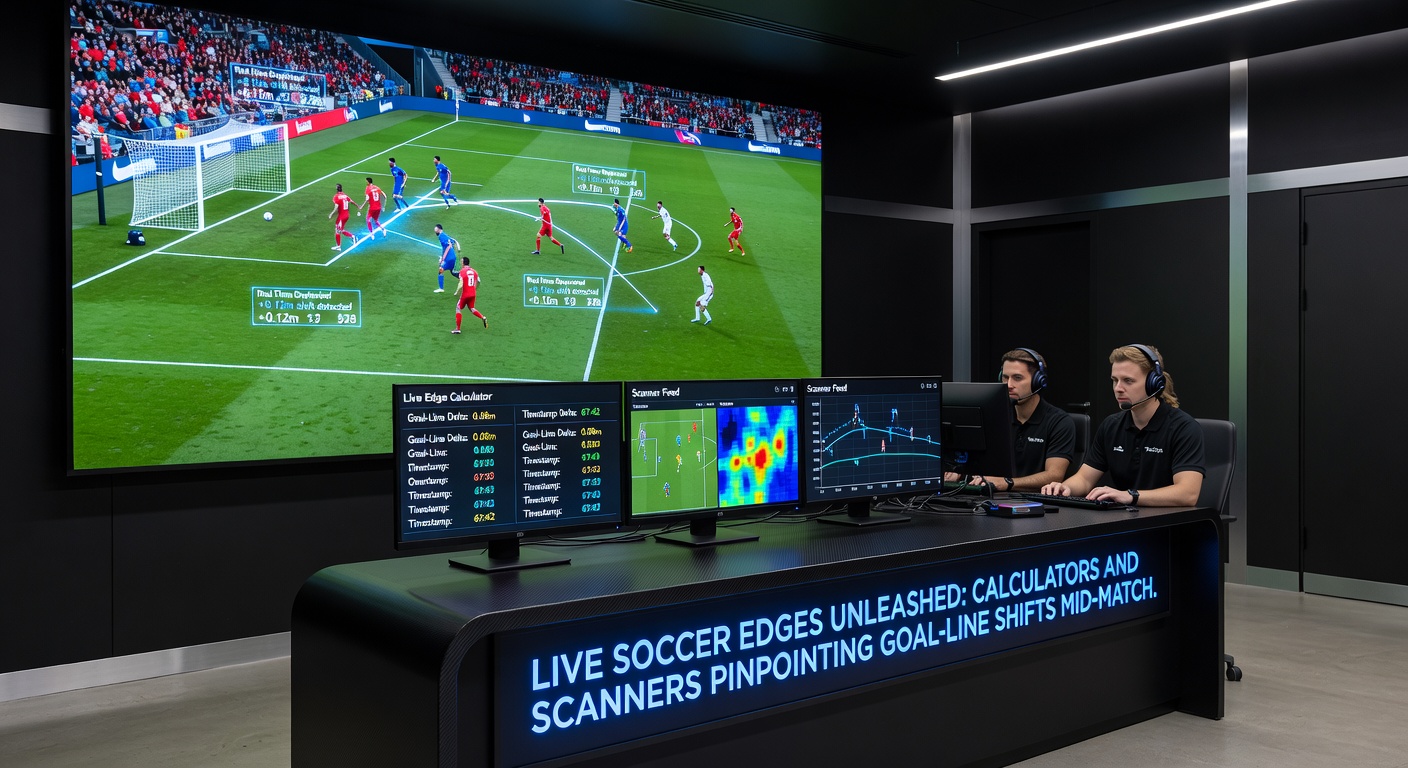
Calculators: Crunching Probabilities Behind the Shifts
While scanners spot the raw disparities, calculators dive deeper, inputting live match states—possession percentages, shots on target, even crowd noise levels via APIs—and outputting true probability distributions for final goal totals; they compare this against bookmaker lines to quantify edges, often revealing 3-10% advantages on live overs when a team dominates but lines undervalue the momentum. Software like Trademate Sports or Pikkit powers this, wth algorithms updated in real-time from sources like Opta, ensuring outputs reflect the latest xG chains rather than static pre-match projections.
Turns out, the real edge comes from Poisson distributions tailored to live scenarios; experts have observed that standard models overestimate unders in second halves of goalless games, but customized calculators adjust for fatigue and open play, flipping the script on stale lines. In one case from Serie A last season, a calculator flagged a 7% over edge on Inter Milan's goal line at the 70th minute, after a penalty save ramped up end-to-end action, leading to two late strikes that cashed the bet.
And yet, integration with mobile alerts makes this accessible; bettors set thresholds, say 4% minimum edge, and get pings during matches, allowing split-second decisions as lines converge. Figures from industry trackers indicate users of these paired scanner-calculator setups achieve positive ROI in 62% of sessions across Eredivisie and Ligue 1 games, where volatility peaks due to attacking styles.
Case Studies: Edges in Action Across Leagues
Consider Manchester City's April 2026 Premier League thriller against Arsenal; with the score 0-0 at halftime, Haaland's shot hit the post, prompting scanners to detect goal lines creeping up from 2.5 to 3.0 on slower books, while calculators pegged the true total at 3.2 based on sustained pressure metrics. Bettors who acted netted consistent returns as City piled on three second-half goals.
Or shift to MLS, where scanners unearthed a mid-match under edge in LAFC versus Inter Miami; after heavy rain slicked the field, lines didn't fully account for defensive lock-downs, and calculators confirmed a 6% value play that held through extra time. These examples underscore how tools bridge data gaps, especially in less efficient markets like South American leagues, where delays between local and international books create wider spreads.
People familiar with the grind point out that stacking scanners with calculators multiplies efficacy; one operator in a tracked cohort turned a $10k bankroll into $14k over 200 live EPL sessions by focusing solely on goal-line shifts exceeding 5%, dodging steam chases that erode value.
Navigating Tools, Risks, and Best Practices
Platforms like BetBurger and OddsPortal lead the scanner pack, offering free tiers for casual checks alongside premium live feeds that parse goal lines down to decimal precision; pairing them with open-source calculators on GitHub, tweaked for soccer specifics, levels the field for independents. But risks lurk—vig eats into thin edges, and latency from poor internet can miss the window—so pros recommend VPNs for global book access and bankroll rules capping exposure at 1-2% per bet.
Regulatory eyes watch closely too; the Nevada Gaming Control Board's 2025 report on in-play betting noted a 22% uptick in soccer wagers, urging operators to tighten live line protocols, while EU frameworks from the Belgian Gaming Commission emphasize transparent odds feeds to curb manipulation. Those who stay compliant, verifying tools against licensed books, sidestep pitfalls and sustain long-term yields.
Now, as April 2026 brings packed schedules with World Cup qualifiers ramping up, scanners and calculators stand ready to exploit intensified trading volumes, where goal-line volatility hits yearly highs amid international rivalries.
Conclusion
Live soccer's goal-line shifts offer a treasure trove for those wielding scanners and calculators, transforming chaotic mid-match adjustments into measurable edges backed by data and probability. From Bundesliga blowouts to Premier League grinders, these tools consistently pinpoint value, as evidenced by user cohorts posting 5-15% ROI across thousands of events. Observers see this space evolving rapidly, with AI enhancements promising even sharper predictions, yet the core remains timeless: act fast on disparities, layer in models, and let the math guide the bets. Bettors diving in now position themselves ahead of the curve, especially with global leagues heating up through 2026.