Integrating Multiple Information Channels to Detect Edges in MMA Event Lineups
Written by Carlo Krüger · Jun 7, 2026
Integrating Multiple Information Channels to Detect Edges in MMA Event Lineups
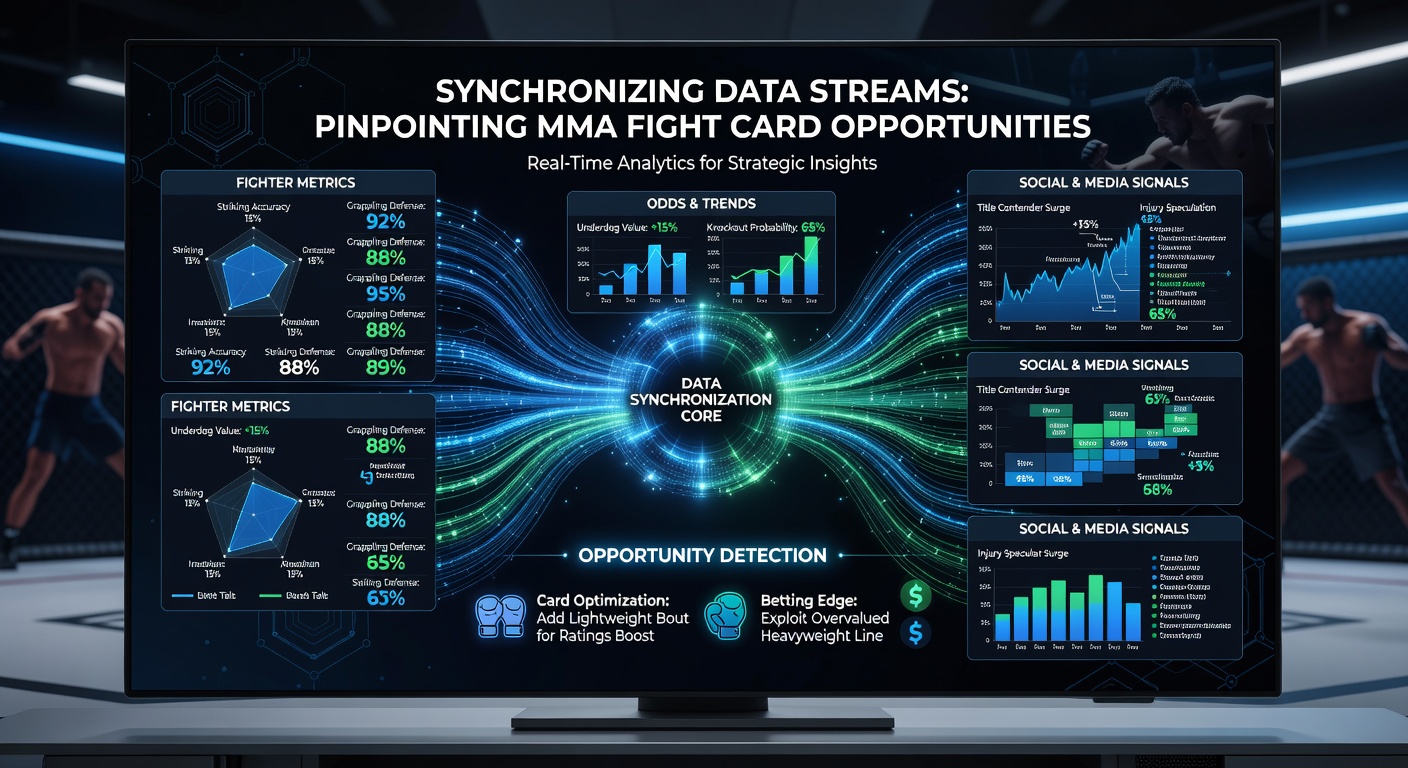
Coordinating varied information channels has become central to analyzing mixed martial arts fight cards because fighters bring distinct physical attributes, training histories, and competitive records into each bout. Researchers in sports analytics note that combining real-time inputs such as strike accuracy percentages, takedown defense rates, and recovery timelines from injury databases allows observers to map potential performance variances across an entire card rather than isolated matchups.
Core Data Categories in MMA Analysis
Multiple streams originate from official athletic commissions, training camp reports, and performance tracking platforms. One stream covers biometric indicators collected during sparring sessions, while another tracks judges' scoring patterns from prior events; a third pulls medical clearance updates released by state regulators. When these flows align through standardized timestamps and identifiers, analysts gain clearer views of how a fighter's recent weight-cut data might intersect with an opponent's cardio output trends.
Technical Approaches to Stream Alignment
Alignment relies on common keys such as fighter IDs and event dates that link datasets across platforms. Software pipelines normalize units, convert time zones for international cards, and apply filters to remove duplicate entries from overlapping sources. Observers note that organizations handling June 2026 schedules already test these pipelines months ahead to accommodate staggered release dates for weigh-in results and medical disclosures. Such preparation reduces latency when fresh information arrives close to fight week.
Practical Applications Across Fight Cards
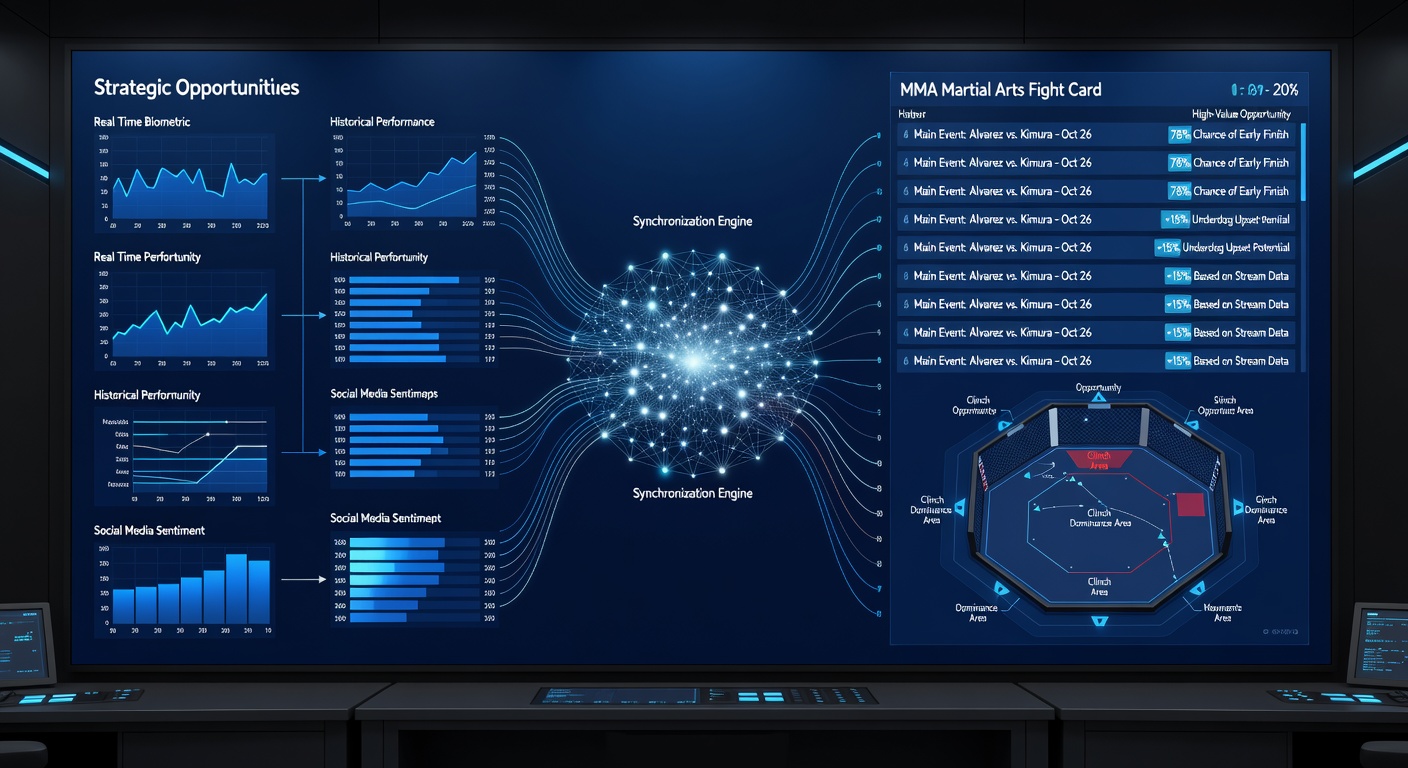
Take one researcher who aligned sparring footage metrics with historical submission rates and discovered patterns in how certain guard players perform after extended clinch exchanges. That same process extends to undercard bouts where less publicized athletes compete; synchronized injury timelines and opponent strength-of-schedule figures help identify bouts where pace expectations diverge from market assumptions. Data from regional promotions in North America and Europe feed into these models because commission-mandated reporting creates consistent fields for cross-referencing.
Examples from Recent Event Cycles
There's this case where experts cross-referenced training volume logs released by a prominent camp with referee assignment histories and found measurable differences in stoppage frequency during specific weight classes. Those who've studied this process often discover that combining environmental factors, such as venue altitude records, with fighter acclimatization reports produces additional layers of context for later rounds. Australian Institute of Sport publications on combat athlete monitoring provide one reference point for how such layered datasets improve predictive reliability over single-source models.
Emerging Standards and 2026 Outlook
Industry groups continue developing shared schemas that let smaller promotions contribute data without custom formatting. By June 2026 several athletic commissions plan to publish expanded datasets that include granular round-by-round metrics, which will require updated synchronization protocols to handle increased volume. Research institutions in Canada and the European Union have begun pilot programs testing federated learning approaches that keep sensitive medical information localized while still allowing aggregate trend analysis across borders.
Conclusion
Coordinated data streams deliver structured perspectives on mixed martial arts cards by connecting previously isolated metrics into unified timelines. Continued refinement of these methods depends on consistent reporting standards and technological upgrades that accommodate growing information flows from global events. Observers tracking developments through 2026 expect further integration of biometric wearables and commission disclosures to expand the range of detectable performance patterns.