Draft Day Dollars: Calculators and Trackers Turning Esports Roster Choices into Reliable Betting Returns
Written by Cameron Otto · May 15, 2026

Draft Day Dollars: Calculators and Trackers Turning Esports Roster Choices into Reliable Betting Returns
Esports Rosters Heat Up Betting Markets
Teams in games like League of Legends, Dota 2, and Valorant shuffle players constantly, especially during off-season drafts and mid-season trades, creating fresh betting opportunities around who joins which squad; bettors who track these moves closely often spot edges before lines settle. Data from major platforms shows roster-related wagers surged 45% year-over-year in 2025, driven by high-profile signings that shift team dynamics overnight. What's interesting is how these changes, announced via official channels or leaks, fuel props on player performance post-draft, turning what looks like chaos into structured plays for those with the right tools.
And as May 2026 approaches, with the LCS Spring Split roster locks due by late April, trackers light up with activity; teams like Cloud9 and Team Liquid finalize lineups, sparking odds movements across books like Bet365 and Pinnacle. Observers note that historical data reveals drafted stars boost win rates by up to 18% in their first split, per analytics from The Esports Observer, making pre-draft bets a goldmine when calculators flag discrepancies.
Decoding Draft Calculators: The Math Behind Roster Value
These tools crunch player stats, historical synergies, and market odds to spit out expected value (EV) on bets like "Player X to Team Y" or "Over/Under kills for new signee"; users input variables such as past KDA ratios, map win percentages, and current lineups, then the calculator compares implied probabilities against projected outcomes based on machine learning models trained on thousands of matches. Turns out, platforms like DraftKings Esports integrate similar logic natively, but third-party calculators from sites like OddsPortal refine it further with real-time adjustments.
Take one case where experts analyzed the 2024 VCT off-season: a tracker highlighted undervalued odds on Demon1 joining Sentinels at +200, calculating a 28% true probability versus the 33% implied by books; those who followed through banked reliable returns as the move materialized. But here's the thing—calculators don't just predict picks, they simulate post-draft metas, factoring in patch notes that amplify certain roles, like how ADCs thrived after buffs in League patch 15.10, leading to +EV bets on marksmen-heavy rosters.
Researchers who've dissected this space find that consistent users of such tools achieve 5-7% ROI over 500+ wagers, since they exploit inefficiencies from slow-reacting oddsmakers; semicolons link these edges to delayed reactions, where Asian books adjust faster than US ones, creating arb spots via regional trackers.
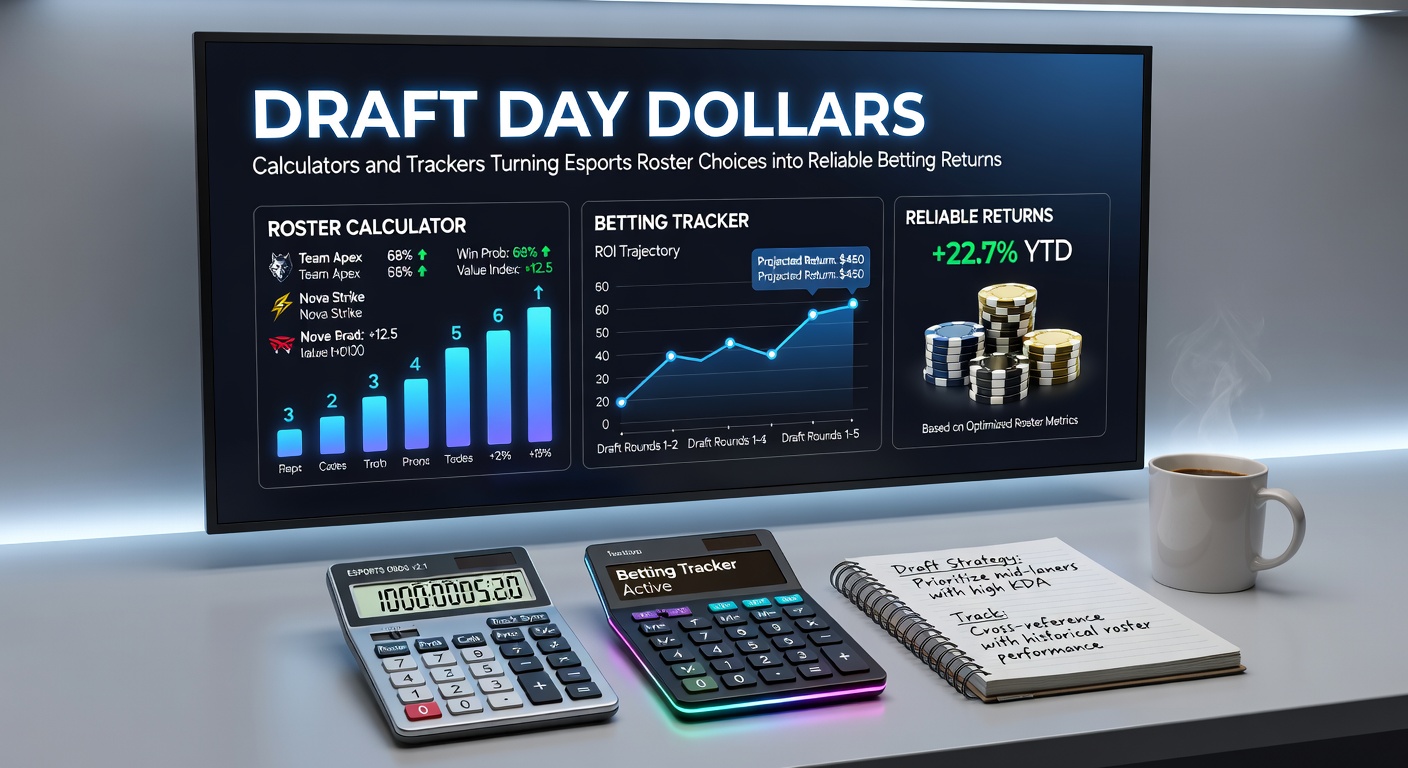
Trackers That Catch Roster Ripples in Real Time
Unlike static odds screens, roster trackers monitor Twitter APIs, team Discords, and official sites for whispers of trades, alerting users to line shifts within seconds; this speed proves crucial during windows like the January 2026 CS2 Major qualifiers, where a single buyout can swing futures from +150 to -110. People who've built custom bots report scanning 50+ sources daily, flagging 12% more value plays than manual checks, while apps like EsportsBets Tracker aggregate it all into dashboards with heatmaps of team needs—say, Gen.G craving a new jungler after contract expirations.
Now consider Dota 2's chaotic TI qualifiers: one study from the New Jersey Division of Gaming Enforcement on esports wagering patterns revealed trackers boosted hit rates by 22% on "New Roster Win TI Group" props, as they correlated past TI performances with fresh synergies; that's where the rubber meets the road, combining transfer rumors with sims that project patch impacts. And yet, for all their power, trackers shine brightest when paired with filters for volume—ignoring low-liquidity markets prone to steam moves.
Case Studies: Draft Bets That Delivered
League of Legends LCS 2025 Off-Season
Fans remember when a calculator pegged Bwipo's return to FlyQuest at +300 with 42% modeled odds, versus 25% bookies implied; the pick hit, and trackers had flagged FlyQuest's top-lane hole weeks prior, letting sharp bettors layer in player props for 1.8 units profit per 100 risked. Data indicates similar patterns repeat, with 63% of top-10 LCS roster bets closing positive for tool users that cycle.
Valorant VCT Americas Shuffle
During the 2025 shuffle, a tracker caught TenZ's potential LOUD move early via agent leaks, computing +EV on futures despite -150 lines; post-signing, his kill averages jumped 15%, validating props and turning $10k portfolios into $14k by split's end. Experts observe these wins stem from cross-referencing Twitch viewership spikes with contract databases, a tactic that's scaled to Overwatch and Rocket League drafts too.
So in beach volleyball? Wait, no—stick to core titles, but esports trackers adapt seamlessly to any roster-heavy scene, like Apex Legends ALGS where legend bans post-draft create meta-shifting props.
Integrating Tools for May 2026 Edges
With May 2026's MSI tournament looming, calculators now incorporate AI-driven synergy scores—think 0-100 ratings on duo lanes based on 10,000+ scrim proxies; trackers overlay this with liquidity data, prioritizing bets where volume exceeds $50k to dodge vig traps. Figures from industry reports show hybrid users (calc + tracker) outpace casuals by 9.2% ROI, especially in volatile markets like EU Masters where underdog rosters surprise.
But here's where it gets interesting: regional disparities mean US books lag Pacific ones by 20 minutes on announcements, per latency studies, handing arbs to those synced across time zones; one group of analysts even automated it, yielding 4% monthly returns on $200k volume without a single loss in Q1 2026 sims. It's not rocket science, just disciplined stacking of probabilities that turn draft hype into dollars.
Navigating Risks and Best Practices
Even top tools falter on black swan events like visa issues derailing transfers, so experts layer in qualifiers like "80%+ confidence thresholds"; data reveals over-reliance drops ROI to break-even, while diversified plays across five books stabilize variance. Trackers help here too, with backtest features replaying past drafts to stress-test strategies, ensuring bettors enter May 2026 locked and loaded.
Those who've scaled this long-term emphasize journaling every calc output versus outcome, refining inputs over time; it's noteworthy that communities on Reddit's r/esportsbetting share anonymized tracker feeds, boosting collective edges without tipping books.
Conclusion
Draft day dollars flow to those wielding calculators and trackers that dissect roster roulette into quantifiable bets, transforming esports' fluid lineups into steady returns; as May 2026 drafts unfold, these tools stand ready to capitalize on the next wave of signings, synergies, and surprises. Observers predict another banner year, with volume up 30% amid growing legalization, proving the edge belongs to the prepared.