Climate Variations Driving Changes in Goal Scoring Across Global Soccer Leagues
Written by Klara Krause · May 27, 2026
Climate Variations Driving Changes in Goal Scoring Across Global Soccer Leagues
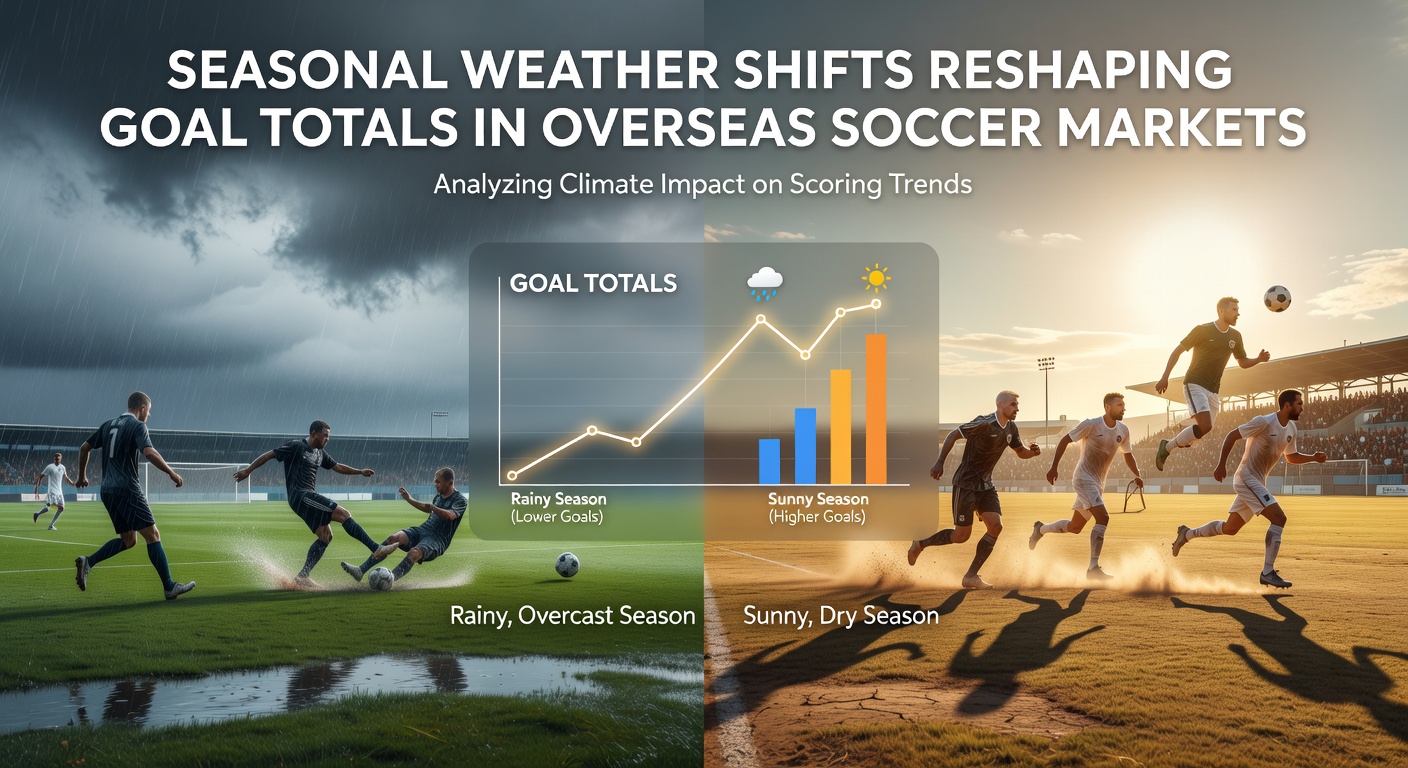
Seasonal weather patterns have started reshaping goal totals in overseas soccer markets according to data collected from multiple leagues worldwide, and researchers continue tracking these shifts through detailed meteorological and performance records. Temperature swings, rainfall amounts, and wind speeds all play measurable roles in how matches unfold, particularly in competitions held across South America, Asia, and parts of Europe during transitional months.
Linking Weather Data to Match Outcomes
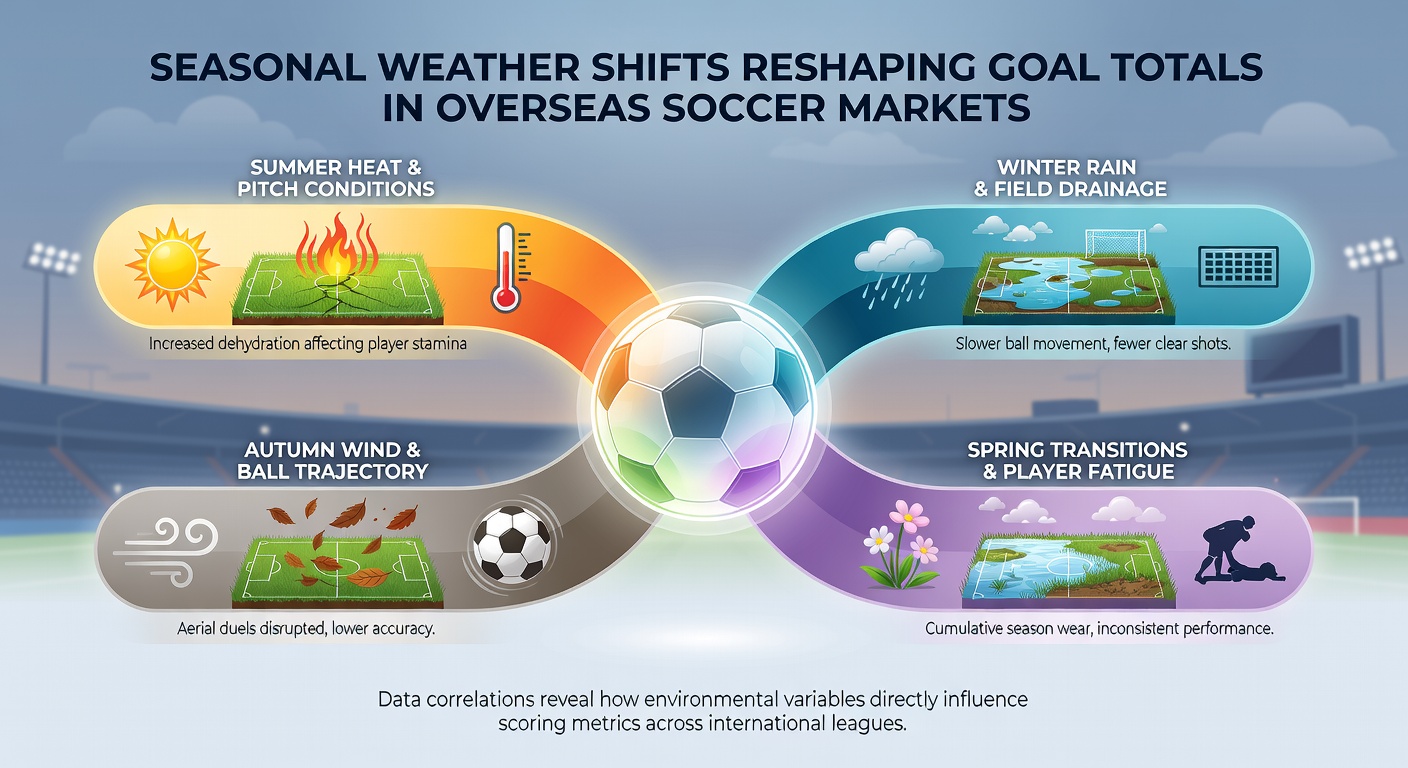
Analysts at organizations like the World Meteorological Organization compile historical climate records that align with soccer statistics from domestic leagues, revealing consistent correlations between environmental conditions and scoring rates. In leagues such as Brazil's Serie A, higher average temperatures during peak summer months coincide with reduced goal outputs because player endurance declines under heat stress, while cooler periods in shoulder seasons often produce elevated scoring as fatigue sets in later. Observers note similar patterns in Asian competitions where monsoon seasons introduce prolonged rain that alters pitch conditions and influences both attacking and defensive strategies.
Those who've examined large datasets from the past decade point out that wind velocity above certain thresholds disrupts long-range passing and set-piece execution, leading teams to favor shorter build-up play that can either suppress or accelerate goal chances depending on tactical adjustments. Data from national weather services shows these factors combine differently by region, creating distinct seasonal profiles for goal expectations in each market.
Temperature Effects Across Different Climates
High temperatures above 30 degrees Celsius correlate with lower goal averages in several South American and Middle Eastern leagues, where midday fixtures force players to conserve energy and reduce high-intensity runs according to studies compiled by the International Centre for Sports Studies. Lower temperatures in the 10 to 20 degree range often support higher scoring because recovery between efforts improves and muscle function remains optimal throughout ninety minutes. European leagues operating in shoulder seasons demonstrate this effect clearly, with spring and autumn matches yielding more open play than midsummer or deep winter contests.
Precipitation and Pitch Conditions
Rainfall intensity changes how the ball behaves on grass and artificial surfaces, and records from multiple confederations indicate that moderate rain tends to increase total goals because slippery conditions complicate defensive positioning. Heavy downpours, however, sometimes reduce scoring when visibility drops and footing becomes unreliable, prompting more conservative approaches. Leagues in Southeast Asia and parts of Australia track these variables closely because wet seasons overlap with significant portions of their calendars, producing predictable shifts in average goals per game during those windows.
Wind Patterns and Tactical Adjustments
Strong crosswinds or tailwinds affect aerial duels and long balls, and performance analysts have documented how teams in exposed stadiums adapt formations accordingly. Scandinavian leagues face consistent wind challenges during autumn months, leading to compressed playing styles that lower expected goal totals until conditions stabilize. In contrast, South American high-altitude venues experience thinner air combined with variable winds that can either amplify or dampen scoring depending on direction and strength. Research institutions monitoring these interactions have developed models that integrate real-time weather feeds with historical match data to project goal ranges more accurately.
Market Implications and Data Integration
Betting markets in overseas soccer respond to these weather-driven changes through adjusted totals and dynamic odds, with operators incorporating forecasts from meteorological agencies to refine lines ahead of fixtures. Figures released by regional gaming associations show increased volume on goal-related wagers during periods of known seasonal volatility, particularly when transitioning between wet and dry phases. Those monitoring league-wide trends observe that early-season matches in variable climates often produce goal outputs that deviate from long-term averages until teams adapt to prevailing conditions.
Academic papers published through sports science departments at universities in multiple countries have begun incorporating climate projections for upcoming seasons, including models that extend through May 2026. These studies examine how shifting rainfall patterns and temperature baselines might further influence scoring distributions in leagues already sensitive to environmental factors. Integration of satellite data with on-pitch metrics allows for granular analysis that separates weather effects from tactical or squad-related variables.
Regional Case Examples
One study of Japanese J-League matches found measurable drops in goals during typhoon-adjacent weeks when humidity and precipitation spiked simultaneously. Another review of Argentine Primera Division data highlighted elevated scoring during cooler La Niña-influenced periods compared with warmer El Niño phases. Observers tracking African leagues note that harmattan winds during dry seasons create dusty conditions that occasionally suppress attacking play and reduce total goals. Each example demonstrates how localized weather regimes create distinct seasonal signatures within global soccer markets.
Conclusion
Weather variability continues to exert measurable influence on goal production across overseas soccer competitions, supported by expanding datasets that connect climate records with match statistics. As monitoring tools improve and climate patterns evolve, leagues and markets alike will likely refine their approaches to account for these environmental dynamics in planning and analysis.