Betfred Shop Closures in 2026 Trace Directly to Budget Tax Adjustments
Written by Klara Krause · Aug 5, 2026

Betfred Shop Closures in 2026 Trace Directly to Budget Tax Adjustments
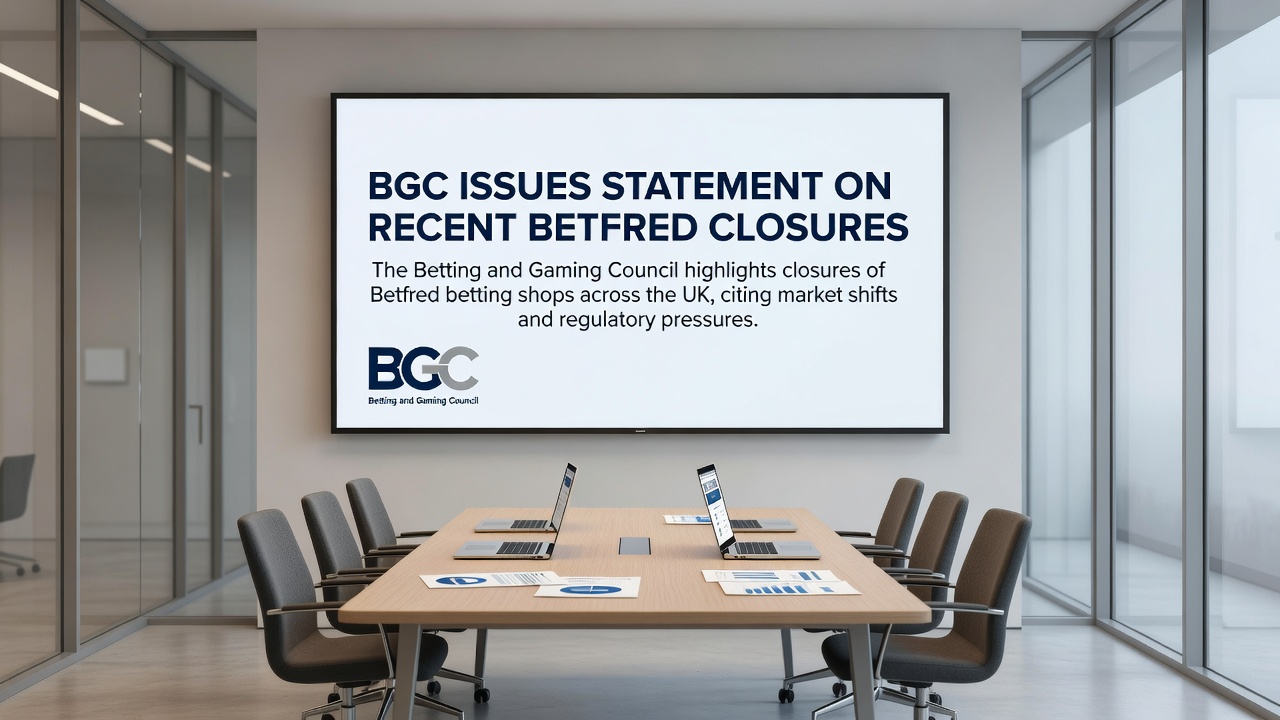
The Betting and Gaming Council issued a statement that links recent Betfred betting shop closures to tax increases introduced in the prior Budget, and observers note these adjustments have created measurable strain across the regulated betting sector throughout 2026.
According to the council, multiple Betfred locations have shut their doors because the higher tax burden has reduced operating margins to unsustainable levels, while the same changes have limited funds available for staff retention and property maintenance.
Direct Effects on Employment and High Street Activity
Shop closures have removed positions that previously supported local economies, and data from the industry shows each site typically employed several full-time and part-time workers whose roles disappeared once trading ended. High street businesses that relied on footfall from nearby betting shops have recorded lower customer numbers, which in turn has reduced revenue for adjacent retailers and service providers in the same commercial districts.
Investment decisions have also shifted, because operators facing elevated tax liabilities have postponed plans for refurbishments or technology upgrades that would otherwise have modernised premises and improved customer facilities.
Funding Shortfalls for British Horseracing
British horseracing receives a portion of its financial support through levies and contributions tied to betting turnover, and the council statement indicates that reduced shop activity has lowered the amounts directed toward prize money, training programmes, and racecourse maintenance. Those who have tracked industry flows note that fewer active betting outlets translate into smaller contributions at a time when the sport continues to depend on this revenue stream for operational stability.
Researchers tracking the sector have recorded that the tax changes implemented earlier continue to influence allocation decisions, because operators must balance higher government payments against existing sponsorship and levy commitments that support the racing calendar.
Growth of Unregulated Betting Channels
The statement further highlights that tax-driven cost pressures have pushed some activity toward unregulated platforms operating outside the licensed framework. These black-market operators avoid the same fiscal obligations, which creates a pricing advantage that draws customers away from regulated shops and online sites that comply with tax and consumer-protection rules.
Industry figures reveal that the gap between taxed and untaxed offerings widens when statutory rates rise, and authorities in other jurisdictions have observed similar patterns when comparable fiscal measures were applied to gambling markets.
The Betting and Gaming Council statement details specific closure numbers and the corresponding reduction in levy contributions that support horseracing infrastructure.
Broader Regulatory Context in August 2026
By August 2026 the cumulative impact of the Budget measures had become visible through successive rounds of shop rationalisation, and trade associations continue to compile data that shows employment totals and investment pipelines contracting in line with higher tax liabilities. Government agencies responsible for fiscal policy have not altered the rates, which means operators must adjust business models while remaining within the licensed perimeter.
Those monitoring cross-border comparisons point out that jurisdictions maintaining lower or stable tax environments have retained more physical retail presence and continued to generate consistent funding streams for associated sports.
Conclusion
The sequence of Betfred closures therefore serves as a concrete illustration of how tax policy adjustments translate into reduced shop numbers, lower employment, constrained investment, and diminished support for horseracing, while simultaneously expanding the reach of unregulated alternatives. Observers continue to track these developments as the regulated sector operates under the revised fiscal conditions established in the previous Budget.