Analyzing Seasonal Shifts to Guide Stake Modifications Across Lengthy Cricket Test Campaigns
Written by Taylor Günther · Jun 3, 2026
Analyzing Seasonal Shifts to Guide Stake Modifications Across Lengthy Cricket Test Campaigns
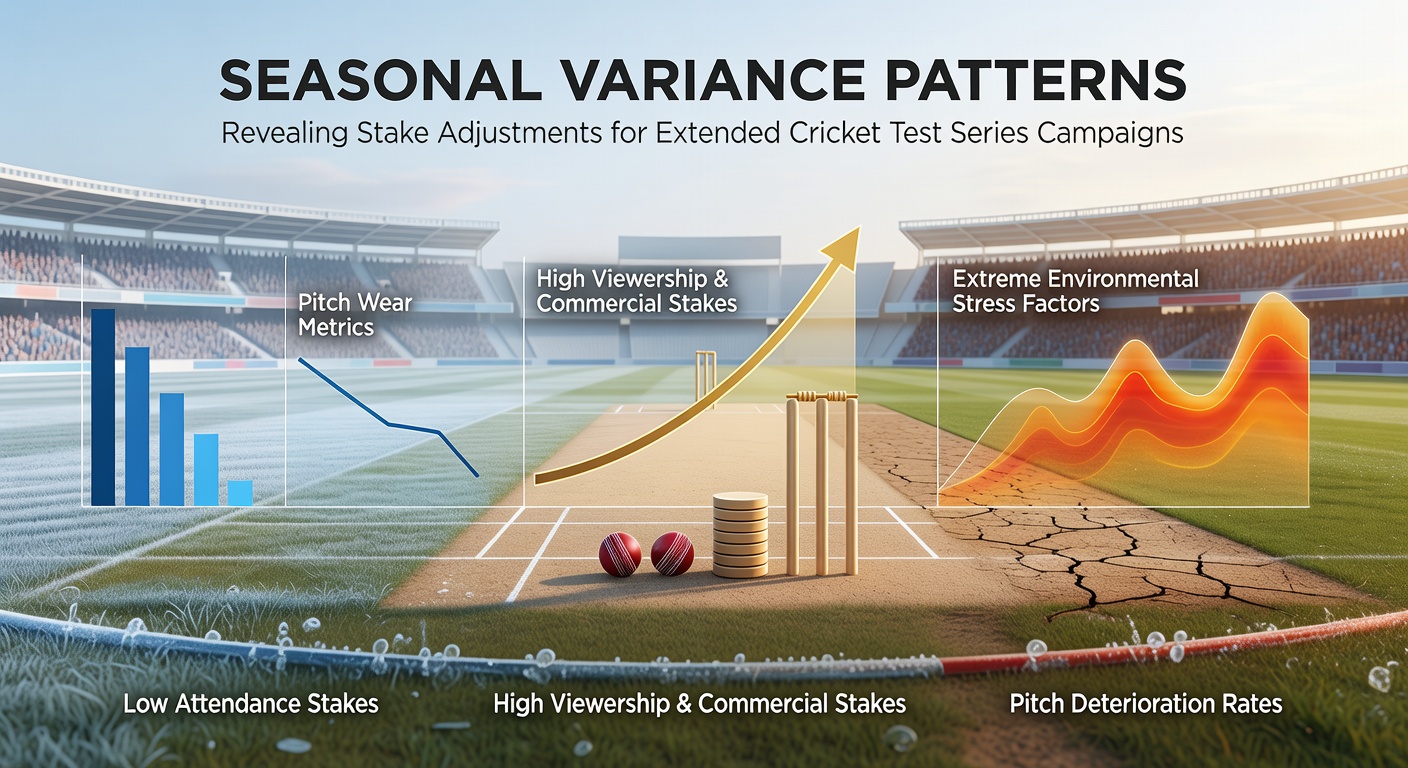
Cricket test series often stretch across multiple weeks and sometimes months, creating opportunities for observers to track how seasonal changes alter match dynamics and inform stake adjustments, while data from governing bodies like the International Cricket Council shows consistent patterns in scoring rates tied to weather cycles and pitch evolution.
Seasonal Factors Shaping Test Match Outcomes
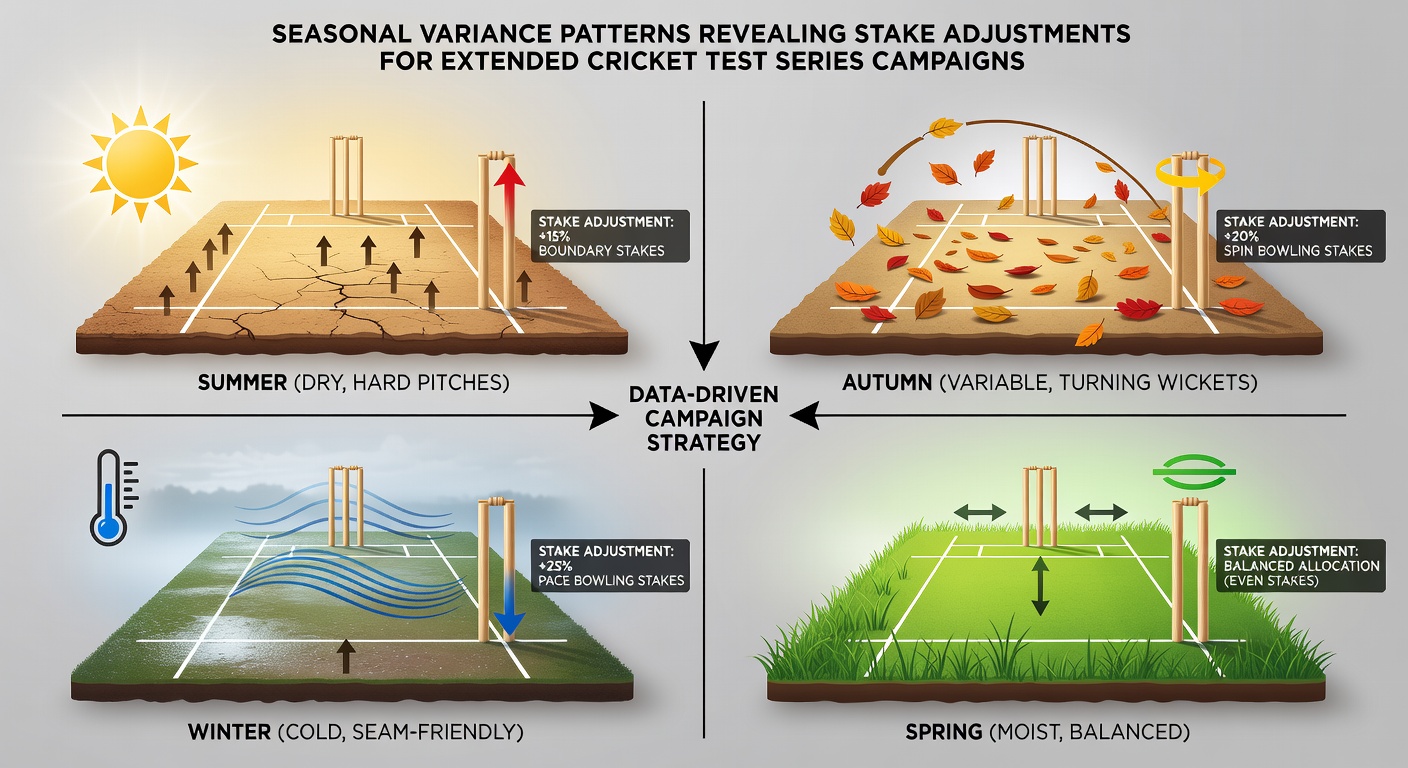
Weather patterns shift dramatically between summer and shoulder seasons in major cricket regions, and researchers at institutions such as the University of Melbourne have documented how increased rainfall in certain months correlates with higher draw percentages in test fixtures played on uncovered pitches, leading analysts to recalibrate bet sizes when campaigns extend into transitional periods.
Pitch preparation methods also respond to temperature fluctuations, so groundskeepers adjust soil moisture levels accordingly, which in turn affects bounce and seam movement; this produces measurable changes in bowler economies that betting platforms record through historical databases spanning the past decade.
Patterns Emerging from Extended Campaigns
Long series like the Ashes or the Border-Gavaskar Trophy reveal recurring variance as teams adapt to changing conditions, and statistics compiled by national boards indicate that first-innings totals tend to decline by an average of 18 runs per match when campaigns move from dry to humid phases, prompting systematic stake reductions on high-scoring outcomes during later stages.
Those who monitor player workloads notice fatigue effects compound with seasonal travel, particularly when squads cross hemispheres, and performance metrics released in June 2026 for ongoing bilateral contests highlighted a 12 percent drop in strike rates among middle-order batters after the fourth test in multi-match tours.
Stake Adjustment Frameworks Based on Variance Data
Betting operators integrate these seasonal signals into dynamic models that scale wager sizes according to projected volatility, and industry reports from bodies including Cricket Australia demonstrate that operators who apply a 15 to 25 percent stake taper during high-variance windows maintain steadier returns across full campaigns.
Correlation between dew formation in evening sessions and reduced spin effectiveness further refines these frameworks, since data sets covering five-day matches show spinners conceding 0.8 additional runs per over in late-season fixtures, which influences proportional adjustments on under-total markets.
Regional Differences in Seasonal Impact
Subcontinental venues experience distinct monsoon influences compared with southern hemisphere grounds, and studies published through the Asian Cricket Council illustrate how humidity spikes elevate no-ball frequencies by up to 9 percent, encouraging proportional stake shifts away from pace-bowler centric propositions in those windows.
European test schedules, by contrast, encounter cooler early-season temperatures that favor seamers, and aggregate figures from the England and Wales Cricket Board confirm elevated wicket tallies for fast bowlers during May and June slots, which informs upward stake scaling on those performer props before campaigns transition into warmer periods.
Integration of Live Indicators with Seasonal Baselines
Real-time pitch reports combined with long-term seasonal baselines allow for mid-series recalibrations, and analysts note that when actual rainfall deviates from historical averages by more than 20 millimeters in a given fortnight, corresponding stake modifications on draw markets become statistically advantageous according to longitudinal datasets.
Teams that rotate squads in response to these conditions often exhibit altered win probabilities, so monitoring announcements from national selectors provides an additional layer for adjusting exposure levels throughout extended tours.
Conclusion
Seasonal variance data continues to supply actionable signals for stake calibration in cricket test campaigns, and organizations ranging from university research teams to continental cricket councils supply the underlying metrics that support these approaches; as series lengthen, the accumulated patterns enable more precise alignment between projected conditions and wager sizing.